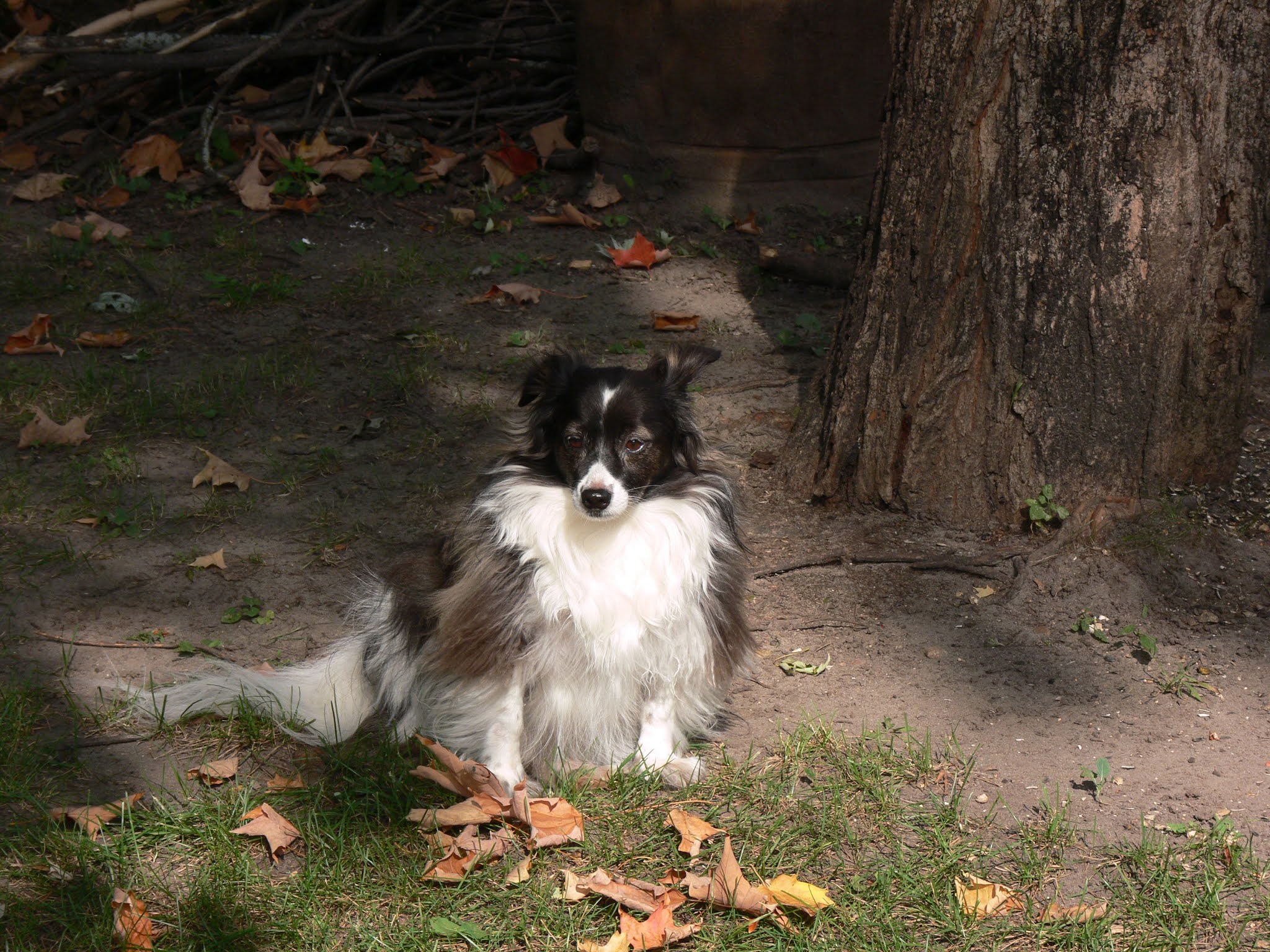
A tale of the times .... more-or-less
(Part 1 of 2)
Double double toil and trouble;
Fire burn and caldron bubble.
Fillet of a fenny snake,
In the caldron boil and bake;
Eye of newt and toe of frog,
Wool of bat and tongue of dog,
Adder’s fork and blind-worm’s
sting,
Lizard’s leg and howlet’s wing,
For a charm of powerful
trouble,
Like a hell-broth boil and bubble.
Double double toil and trouble;
Fire burn and caldron bubble.
Cool it with a baboon’s blood,
Then the charm is firm and good
Those lines and a few more were
among some I memorized as a 15-year-old in a high school English class. They
come from the play, "Macbeth," written in trochaic tetrameter by William
Shakespeare. This was my first exposure
to "Willie Boy," an encounter which has taken place many times during the years
since.
The words are spoken by three
witches and probably are among the most quoted and misquoted lines composed by
friend Shakespeare. I have a tendency to think "bubble bubble," rather
than "double double."
Although I am not a religious
individual, I like to think of myself as a spiritual one and believe I was
"blest" to have had two absolutely dedicated and superb English teachers during
five of my six high school years. One was a spinster who had lifelong medical
problems and died young, and the other was a married lady whose husband had a
deserved reputation for pursuing anyone who wore a skirt, as the old cliché
noted. My speculation is that they found solace in literature for the cards
life had dealt them and felt an obligation to pass their love for it on to
their students.
Moving along with a hop, a skip and a jump:
This is not a post about
Shakespeare or my reading habits and not even about the "magic day" of October:
Hallows' Even or Hallows' Evening or Allhalloween or, as it is known today, Halloween.
Relax, we shall pass by the
history and traditions of Halloween, a liturgical event for remembering the dead. Such
data is abundant for those curious enough to look.
Rather, this is a two-part post about
magic. Yep, magic .... well, sort of, anyway ....
(End Part 1 .... to be continued ....)